
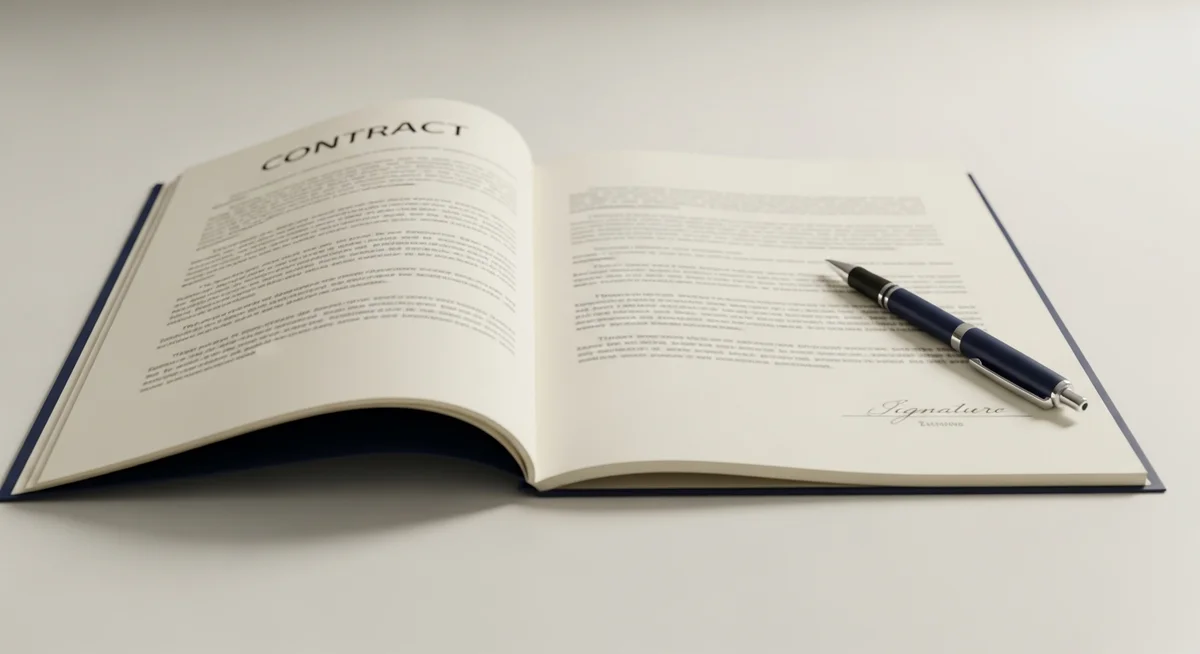
THE BOTTOM LINE
Learning how to read a contract before you sign is your most powerful tool to protect your assets, clarify your responsibilities, and avoid costly litigation.
- Read the entire document at least three times to fully comprehend the structure, definitions, and hidden obligations.
- An estimated 90% of commercial disputes arise from poorly defined terms or unread external documents incorporated by reference.
- State laws vary significantly, meaning a clause that is enforceable in one state might be completely void in another as of 2026.
The most critical variable is ensuring that every oral promise made during negotiations is written directly into the final document.
Why Should You Do Your Own Contract Review?
Contracts act as the legally binding roadmap for your business relationships or personal transactions. Conducting an initial review yourself helps you understand the operational boundaries of the deal. If you skip this step, you risk agreeing to unfavorable payment terms, broad indemnification obligations, or restrictive covenants.
State laws dictate how contracts are interpreted, and these rules are subject to change. For instance, non-compete enforceability varies dramatically between states like California and Texas as of 2026. Reviewing the contract allows you to flag these state-specific provisions before handing the document to your legal counsel.
By utilizing free legal information and self-help guides, you can learn to spot standard boilerplate language. However, this general educational information is not legal advice, and you should always consult a licensed attorney for your specific situation.
How Do You Read a Contract Before You Sign Step-by-Step?
Reading a legal document requires a methodical, layered approach. Unlike standard prose, contracts are written as interconnected webs of definitions, obligations, and risk allocations.
1. Read the Entire Document Thoroughly (At Least Three Times)
To fully comprehend the terms, you should read the entire document at least three times. This repetitive process helps you catch subtle details that are easy to miss on a single pass.
- First Pass: Scan the document to understand the overall layout, identify the main sections, and locate the definitions page.
- Second Pass: Read the text slowly to understand how different clauses interact, keeping a separate copy of the defined terms next to you.
- Third Pass: Focus intensely on financial commitments, deadlines, termination rights, and what happens if either party breaches the agreement.
2. Identify the Parties, Key Obligations, and Timelines
Begin your deep review by verifying that the parties named in the preamble are accurate. If you are signing on behalf of a business entity, such as a limited liability company (LLC), ensure the contract lists the business name rather than your personal name.
Next, identify the covenants, which are the formal promises of what each party must perform. As outlined by the U.S. Small Business Administration (SBA), clear performance standards and concrete delivery timelines prevent operational disputes.
You must also verify the exact dates and times for performance, payments, and notices. For example, specify that an agreement terminates at 11:59 PM Central Standard Time on a specific date to prevent any ambiguity.
3. Check for Referenced Documents and Annexes
Many modern agreements incorporate external documents by reference, such as privacy policies, service level agreements (SLAs), or employee handbooks. These external files are legally binding parts of your contract.
You must request and read every single document referenced in the agreement before signing. Pay close attention to clauses that give the other party the unilateral right to change these external policies.
If the other side retains this control, negotiate a term that allows you to terminate the contract if they make changes that harm your interests.
4. Look for Crucial Terms That May Be Missing
Analyzing what is absent from a contract is often more difficult than reviewing what is written. You must anticipate potential problems and verify if the contract provides adequate protections.
Consider scenarios like late payments, delayed deliveries, or unexpected project cancellations. Make sure the contract explicitly outlines the remedies, grace periods, and notice requirements for these events.
If you rely on subcontractors to perform work, ensure there is no clause prohibiting subcontracting.
Which Common Contract Red Flags Should You Watch Out For?
When reviewing a contract, certain clauses require immediate scrutiny. These red flags often shift a disproportionate amount of risk onto your shoulders.
- Exclusivity Requirements: These provisions restrict your ability to work with other businesses, which can severely limit your revenue potential.
- Broad Indemnification: This is a promise to pay for the other party’s legal fees and damages if a dispute arises. Ensure indemnity is mutual and limited to your direct negligence.
- Unreasonable Liquidated Damages: These clauses establish pre-determined financial penalties for contract breaches. State courts closely scrutinize these clauses, and they may be deemed unenforceable if they act as a penalty rather than a reasonable estimate of actual damages, verified as of 2026.
- Evergreen Clauses: These clauses automatically renew the agreement unless you provide written notice within a highly specific, narrow window.
What Should You Do If You Do Not Understand a Clause?
If you encounter legalese or complex clauses that do not make sense, do not sign the agreement. It is your responsibility to seek clarification before executing the document.
Start by asking the other party to explain the clause in writing. However, never rely on their verbal explanations or assurances, as these are rarely enforceable in court.
According to the Cornell Legal Information Institute, the parol evidence rule generally prevents parties from introducing outside oral agreements to contradict the clear terms of a written contract. If a promise is not in the final signed document, legally it does not exist.
If a clause remains unclear, contact a licensed attorney in your state. Since contract laws and procedures vary significantly across different state jurisdictions, professional legal counsel is necessary to ensure your interests are fully protected.